
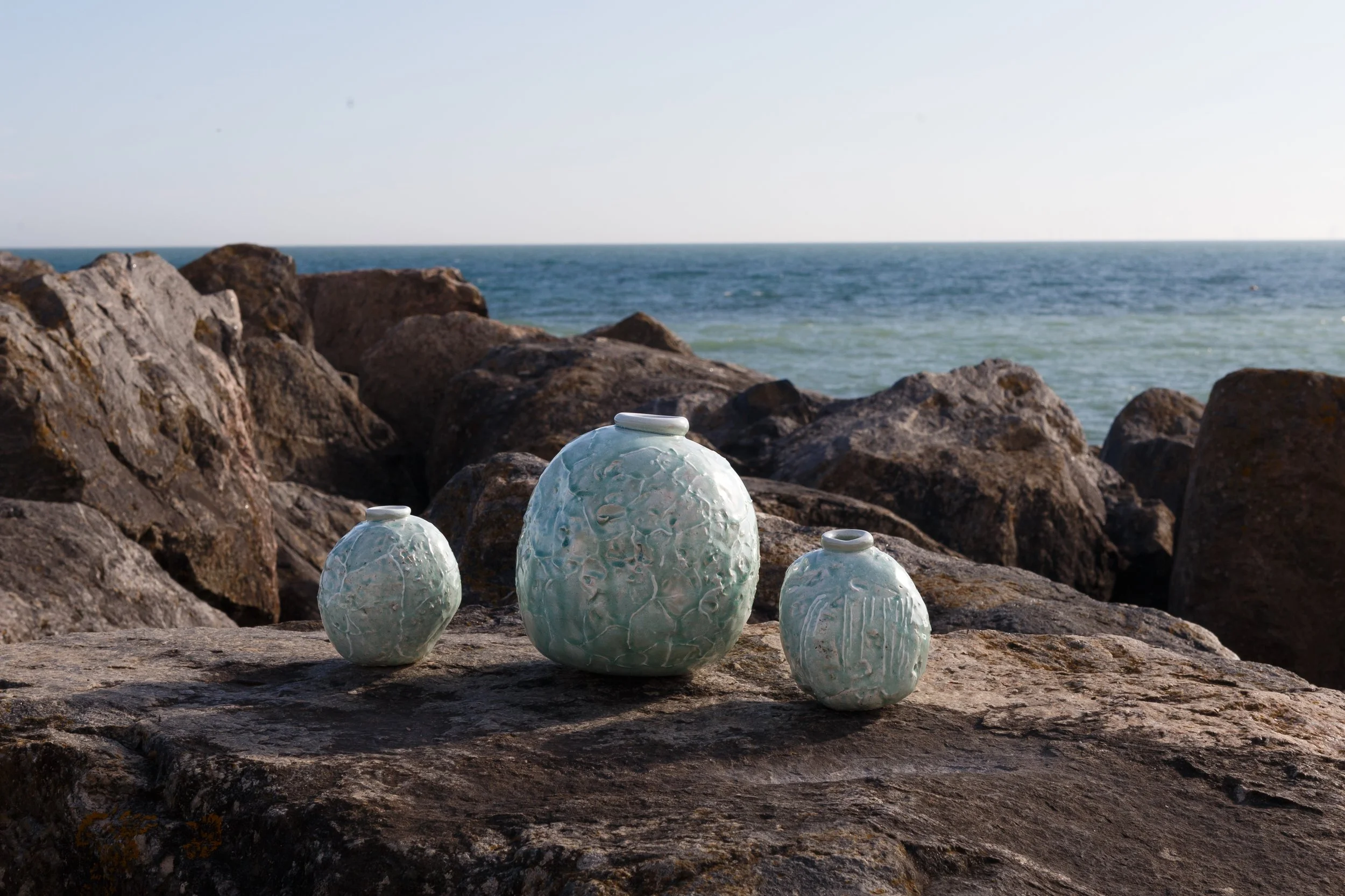
UNPOTE SERIES
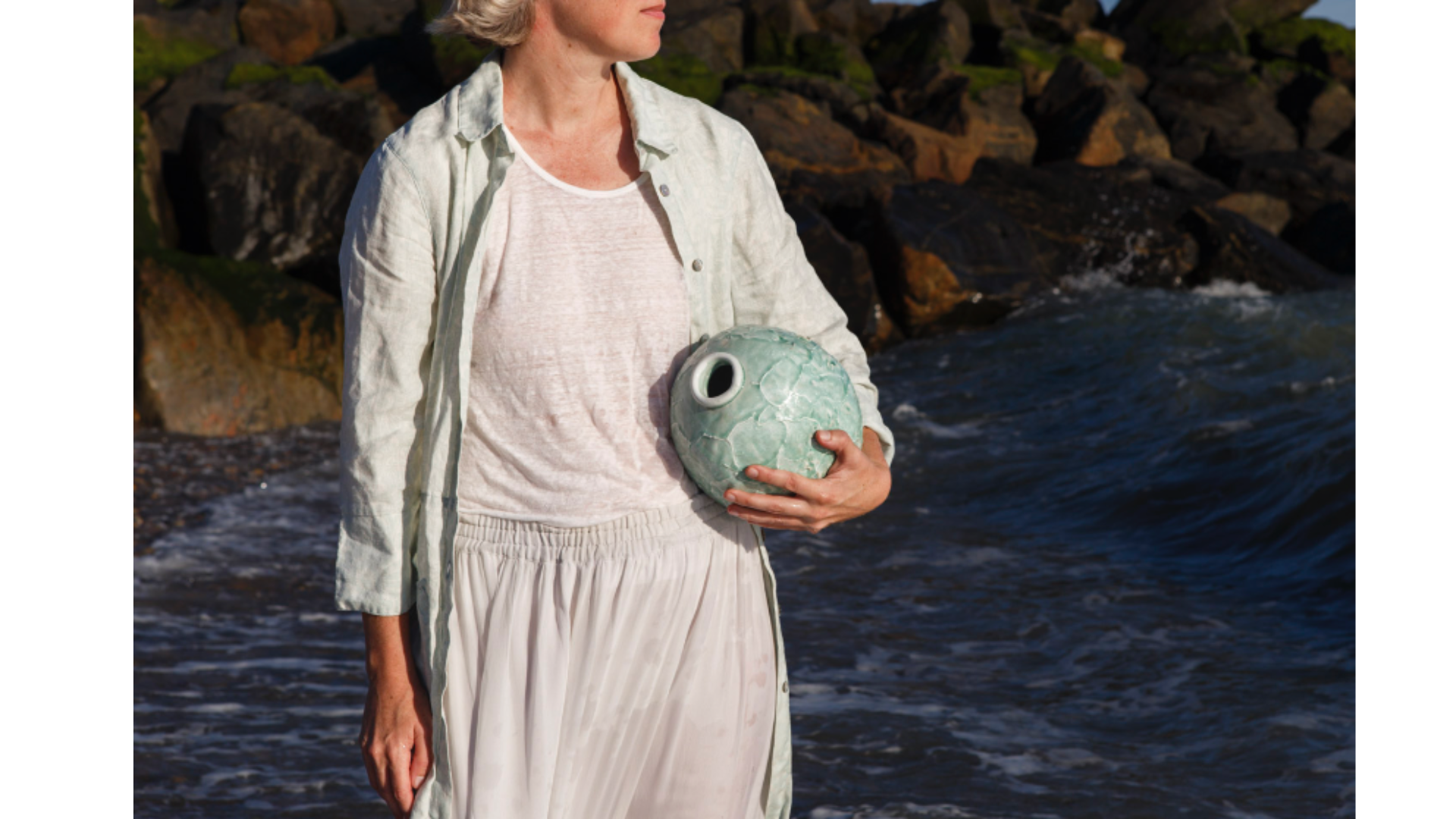
I shape vessels that remember the water—my father showed me how to dive beneath the breaks.

Materials & Methods
Sometimes I take the unpote into the waves like a friend: un pote. Sometimes it goes in my stead. In both roles, it carries me—remembers me—in the water.
Extended Notes —
For the Curious
-
Clay particles — macro‑molecular structures — are bound with water even in their firmer states. Under pressure, this water helps align them into a coherent body; in more dilute water, they drift apart and align at random. I shape with water because it is part of their essence — and all life’s essence — a play on the limit between shape and non‑shape.
-
My postdoctoral research at The Francis Crick Institute explored how living systems repair and adapt. I carry that lens into the studio: vessels are treated as processual bodies, shaped by feedback from their environment.
Erosion, immersion, and elemental exposure are not damage, but dialogue — the vessel’s form emerging through exchange.
-
Satellite pigment surveys trace mineral distribution across collection sites.
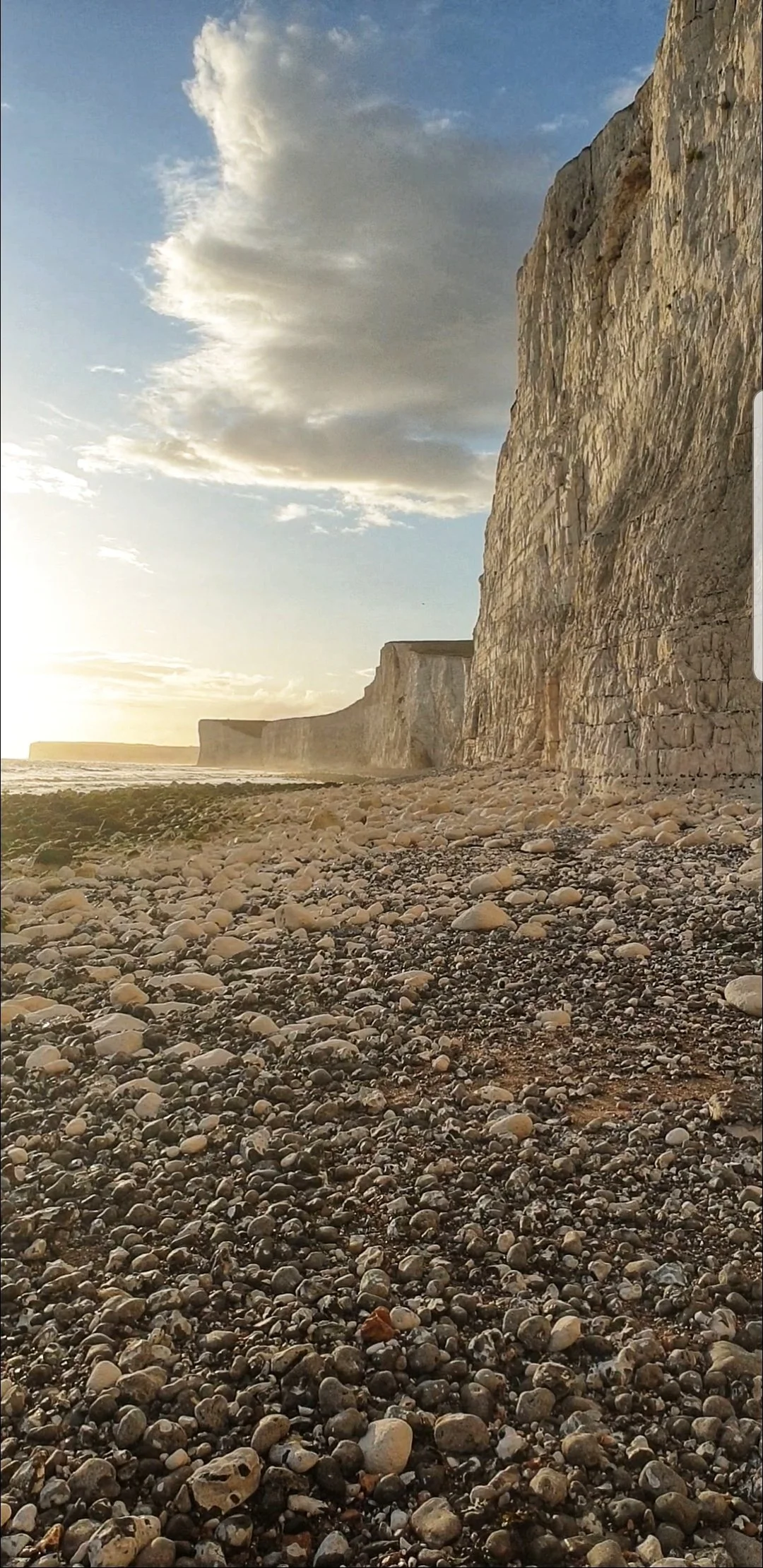
British Geological Survey verification confirms the geological origin of clays and grogs, grounding each piece in a specific landscape.
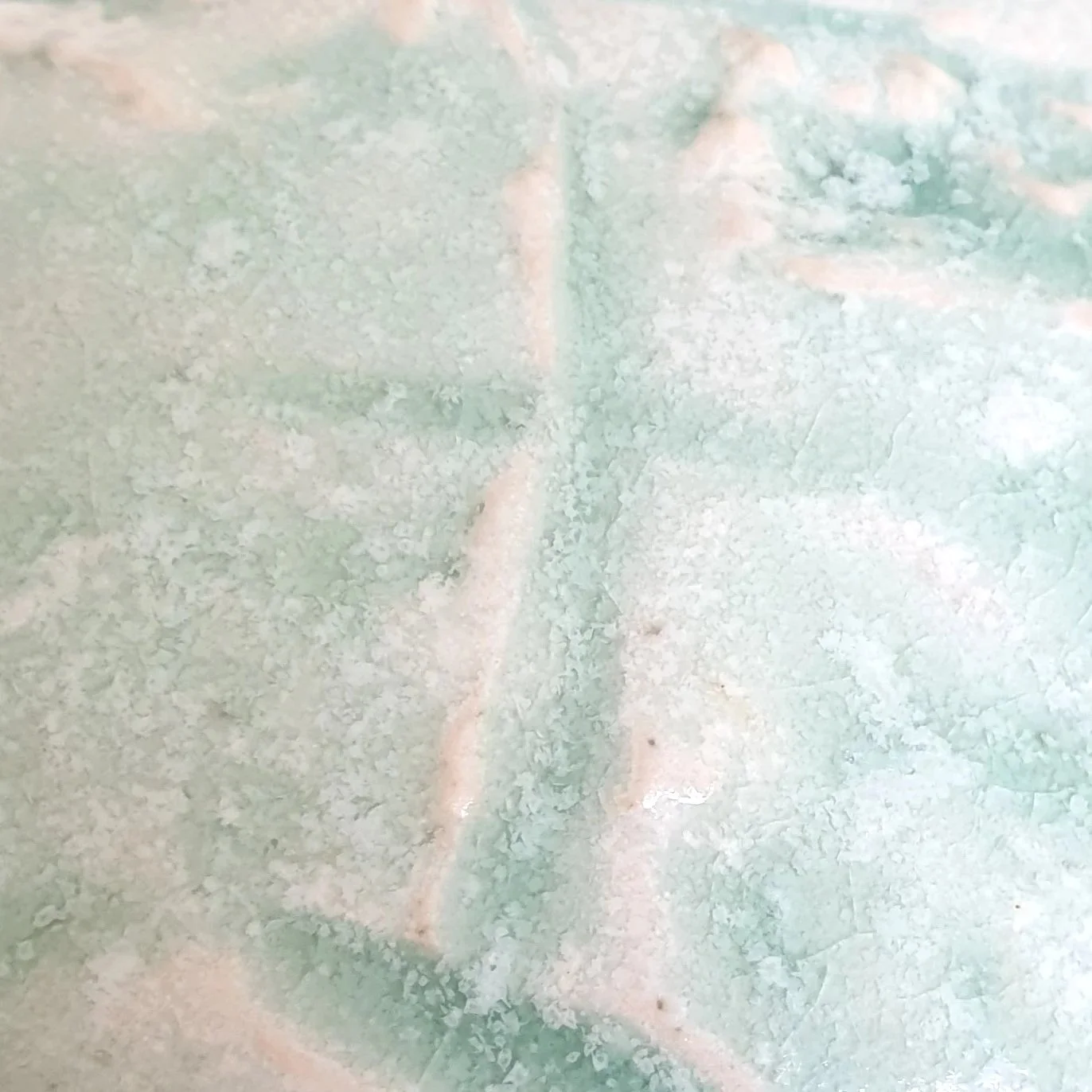
Pigments — chalk, fungi, mineral oxides — are chosen for their relationship to place, not just their hue.
-
Some materials arrive through exchange: sherds from fellow ceramicists, pigments from foragers, images from lens collaborators. These are folded into the work as acts of kinship, expanding the vessel’s lineage beyond my hands.